40 Spring Flowers Seamless Patterns: A Comprehensive Evaluation
Visual design relies heavily on texture, repetition, and aesthetic coherence. For designers, crafters, and content creators, finding high-quality background elements that are both versatile and visually appealing is a constant challenge. One solution that has gained traction in the digital asset market is the collection titled 40 Spring Flowers Seamless Patterns. This bundle offers a specific set of floral designs intended for various creative applications, from digital web design to physical print projects.
However, before purchasing or downloading any digital asset, it is crucial to understand the technical specifications, potential limitations, and ideal use cases. This evaluation breaks down what this specific product entails, its technical merits, and whether it aligns with your current project requirements.
Understanding the Product Offering
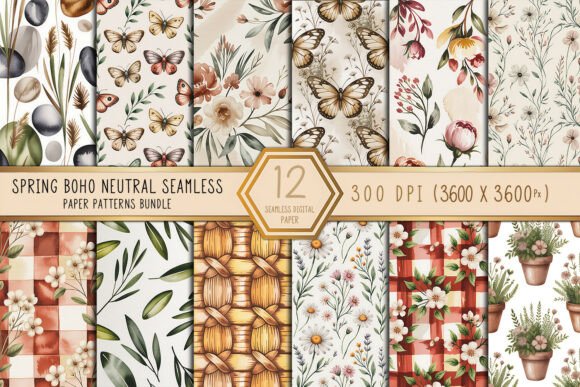
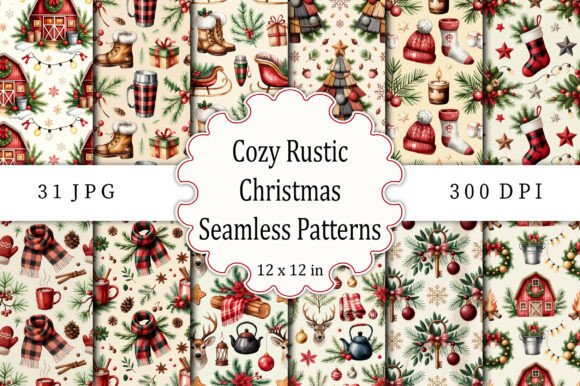
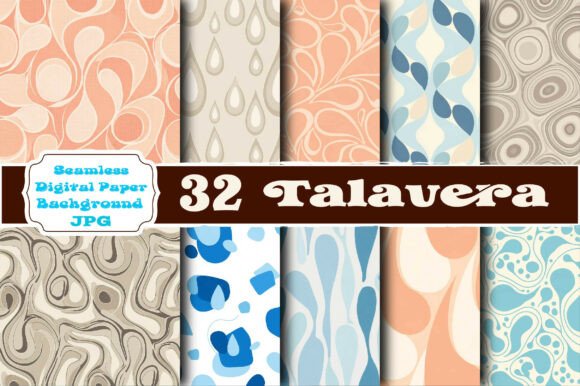
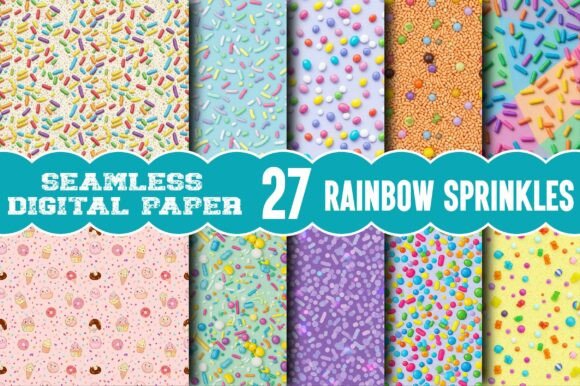
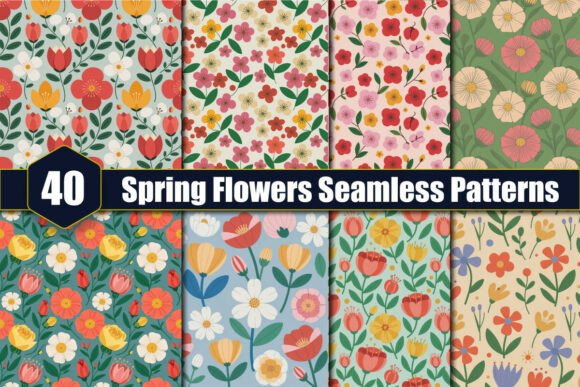
The core offering consists of 40 distinct seamless patterns featuring spring flower motifs. The term "seamless" indicates that these images are designed to tile infinitely without visible borders or breaks, making them suitable for backgrounds, wallpapers, and surface designs. The collection is marketed as a digital download, meaning there is no physical shipping involved, and access is granted immediately upon acquisition.
A critical distinction in this product description is the note stating that these are AI-generated designs. While the quality is claimed to be very good, understanding the origin of the imagery helps set expectations regarding consistency, artistic intent, and potential artifacts. AI-generated art can produce highly intricate and novel patterns, but it may occasionally lack the precise geometric perfection found in manually vectorized illustrations.
Technical Specifications and Quality
For professional or semi-professional work, file resolution and format are paramount. This bundle provides several key technical attributes:
- Format: JPG (Joint Photographic Experts Group). This is a widely supported raster image format, compatible with almost all design software, including Adobe Photoshop, Illustrator, Canva, and Microsoft Office.
- Resolution: 300 DPI (Dots Per Inch). This is the industry standard for high-quality printing. It ensures that when printed, the images will appear sharp and clear, without pixelation.
- Dimensions: 12″ x 12″ inches (3600 x 3600 pixels). This square aspect ratio is particularly useful for scrapbooking, social media graphics, and packaging design.
The combination of 300 DPI and 3600x3600 pixels allows for significant flexibility. Users can resize the images easily. If you need a pattern for a small hang tag, you can scale down the 12x12 inch image without losing clarity. Conversely, while you can scale up, doing so beyond the original resolution will result in a loss of detail, which is a fundamental limitation of raster graphics compared to vector files.
Ideal Use Cases and Applications
The versatility of these patterns makes them suitable for a wide array of projects. Because they are seamless and high-resolution, they fit well into workflows that require background textures or repeating motifs.
Print-on-Demand and Physical Crafts
One of the primary markets for such assets is the print-on-demand (POD) industry and home crafting. Designers selling on platforms like Etsy or Redbubble often look for unique patterns to apply to products such as:
- Wrapping Paper: The seamless nature of the files allows them to be tiled across large sheets of paper for gift wrapping.
- Stationery and Invitations: The spring flower theme is timeless and appropriate for weddings, baby showers, and spring-themed events.
- Paper Cards and Hang Tags: The 12x12 size can be cropped or scaled to fit standard card dimensions.
- Decoupage and Decorations: Crafters can use these images to decorate boxes, frames, or furniture using decoupage techniques.
Digital Design and Web Development
Beyond physical goods, these patterns serve digital needs effectively. Website designers can use them as section backgrounds, blog headers, or email newsletter templates. The JPG format ensures fast loading times compared to some heavier formats, while the 300 DPI quality ensures they look crisp on high-resolution displays (Retina screens).
Evaluating Tradeoffs and Considerations
While the product offers convenience and variety, there are important factors to consider before integrating it into your workflow. The most significant consideration is the source of the imagery: AI generation.
Artistic Consistency vs. Uniqueness
AI-generated images often possess a certain level of randomness. In a batch of 40 patterns, you might find a mix of styles—from realistic botanical illustrations to more abstract, painterly interpretations. This diversity can be a benefit if you need a cohesive yet varied look. However, it also means that the artistic voice may not be entirely uniform. If your brand requires a strict, consistent style guide, you may need to spend time curating which patterns fit best.
Raster Limitations
Because the files are JPGs (raster), they are resolution-dependent. If your project requires scaling a pattern to billboard size, these files will not suffice. You would need vector-based EPS or SVG files for infinite scalability. Additionally, editing individual elements within the pattern (such as changing the color of a single petal) is difficult because the image is flattened. You cannot easily separate the flowers from the background without complex masking techniques.
Commercial Usage Rights
Although the prompt mentions the images can be used anywhere, it is essential to verify the specific license agreement provided by the seller. Some digital asset marketplaces restrict commercial use for AI-generated content due to evolving copyright laws. Ensure that you have the right to sell physical products made with these designs if you intend to monetize them.
Who Is This Product For?
This collection is a strong fit for:
- Hobbyist Crafters: Individuals who enjoy scrapbooking, card making, or DIY home decor and want high-quality, ready-to-use backgrounds without needing advanced design skills.
- Small Business Owners: Entrepreneurs creating branding materials, social media content, or simple POD products who need affordable, diverse visual assets.
- Web Designers: Professionals looking for quick, aesthetically pleasing background textures for blogs or portfolio sites.
Conversely, this product may not be the best choice for:
- Large-Scale Printers: Those requiring massive format prints where vector scalability is mandatory.
- Brands Requiring Strict Vector Control: Companies that need to edit individual graphic elements independently.
- Users Seeking Hand-Drawn Authenticity: Buyers who prefer traditional illustration styles over the sometimes surreal or hyper-detailed look of AI generation.
- Do I need print-ready quality? Yes, the 300 DPI resolution meets this need for standard-sized items like cards and tags.
- Am I comfortable working with raster images? If you primarily work in Photoshop or Canva, yes. If you rely heavily on Illustrator for editable vectors, this may limit your post-purchase customization.
- Is the AI aesthetic acceptable for my audience? Review sample images if available. If the style matches your brand’s tone, the bundle offers excellent value for the number of assets provided.
Practical Decision-Making Insights
To determine if 40 Spring Flowers Seamless Patterns is the right purchase, ask yourself three questions:
Conclusion
The 40 Spring Flowers Seamless Patterns bundle represents a practical resource for creatives seeking versatile, high-resolution floral backgrounds. Its strength lies in its accessibility—offering immediate digital delivery, standard file formats, and print-ready resolution. While the AI-generated nature introduces slight variations in style and limits vector editing capabilities, the tradeoff is often worth it for the volume and quality of assets provided.
For those engaged in scrapbooking, stationery design, or digital content creation, this collection serves as a reliable toolkit. By understanding its technical constraints and ideal applications, users can maximize the utility of these patterns in their creative projects.