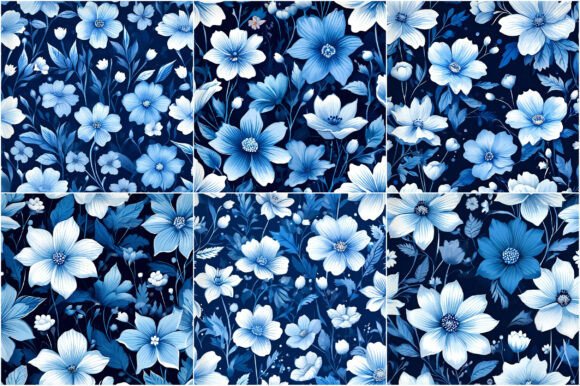
Dusty Blue Flowers Patterns
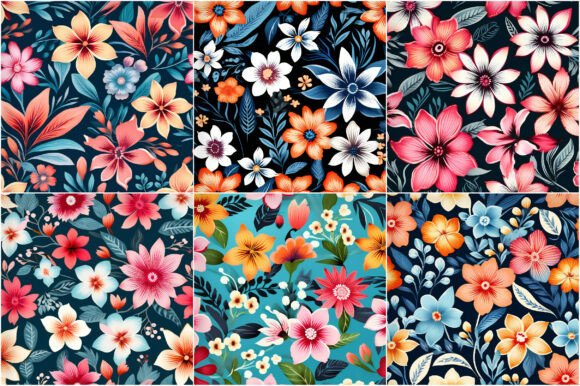
In the landscape of digital design and physical production, selecting the right visual assets is often the most critical step in ensuring a project’s success. Visual consistency, aesthetic appeal, and technical precision are not merely decorative concerns; they are functional requirements that dictate how a product is perceived and how efficiently it can be manufactured. This is where Dusty Blue Flowers Patterns enters the workflow as a strategic asset rather than just a background image. This elegant and serene collection features classic flowers rendered in a soft, muted dusty blue color palette, creating a timeless, refined, and gentle aesthetic suitable for high-stakes creative endeavors.
The specific hue of dusty blue—a desaturated, grayish-blue tone—offers distinct advantages over vibrant primary colors. It reduces visual fatigue, conveys sophistication, and pairs seamlessly with a wide variety of complementary palettes. For professionals ranging from wedding planners to textile manufacturers, this pattern serves as a foundational element that elevates the perceived value of the final output. Whether you are designing delicate home décor or refining branding for a boutique lifestyle company, understanding how to integrate these patterns into your production pipeline is essential for maintaining quality control and efficiency.
Understanding the Asset Specifications
Before integrating any digital asset into a production workflow, verifying its technical specifications is a non-negotiable step. The Dusty Blue Flowers Patterns collection is designed with professional printing standards in mind. Each file is provided in a high-resolution format of 3600 x 3600 pixels. This dimension is significant because it ensures that the pattern remains crisp and detailed even when scaled up for large-format prints or zoomed in on close-up product shots. Low-resolution assets often lead to pixelation, which undermines the "refined" aesthetic that the dusty blue palette aims to achieve.
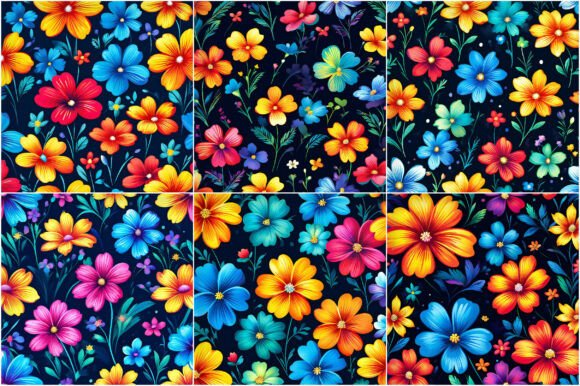
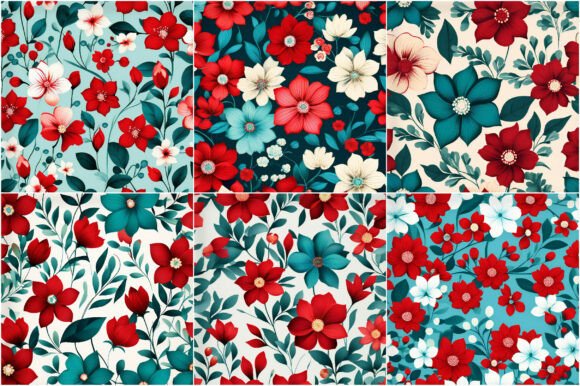
The collection includes six distinct JPG files. While modern workflows often favor vector formats (like EPS or AI) for infinite scalability, high-quality raster images like these JPGs offer immediate usability for many applications. They are ready for direct import into design software such as Adobe Photoshop, Illustrator, or Canva without the need for complex tracing or conversion processes. However, users must remain mindful of the lossy compression inherent in JPG formats if multiple layers of editing are required. For best results, keep original copies of these files unedited to preserve maximum quality during the export phase.
Strategic Applications in Creative Workflows
The versatility of this pattern allows it to fit into various stages of the creative process, from initial concept development to final product fulfillment. Below are specific use cases where this asset adds measurable value to different industries.
Elegant Wedding Stationery and Event Design
For event designers and stationers, the dusty blue floral pattern provides a cohesive theme that feels both vintage and contemporary. In the planning phase, this pattern can serve as a mood board anchor. When moving to execution, it can be applied to:
- Invitation Suites: Use the pattern as a subtle watermark behind text or as a border element. The muted tone ensures readability while adding texture.
- Table Settings: Create custom napkin rings, menu cards, or place cards. The print-ready nature of the files means designs can be sent directly to printers with minimal pre-press adjustment.
- Digital Invitations: Embed the pattern in email headers or digital RSVP pages to maintain brand consistency across physical and digital touchpoints.
Refined Branding and Marketing Materials
Small business owners and marketers looking to establish a calm, trustworthy brand identity will find this pattern highly effective. A soft, muted blue communicates stability and peace. Instead of using generic stock photos, incorporating this pattern into branding assets creates a unique visual language.
Consider applying the pattern to packaging inserts, thank-you notes, or social media story backgrounds. Because the pattern is repetitive and seamless (or designed to tile well), it can fill negative space in layouts effectively, guiding the viewer’s eye toward key call-to-action elements without overwhelming them. This supports a clean, organized aesthetic that resonates with adults aged 20–50 who appreciate understated elegance.
Home Décor and Textile Production
In the realm of interior design and textile manufacturing, consistency is key. The 3600 x 3600 px resolution allows for large-scale tiling without visible seams or degradation. This makes the pattern ideal for:
- Pillow Covers and Cushions: Print-on-demand services can utilize these files to create throw pillows that add a touch of serenity to living spaces.
- Wallpaper and Murals: The classic floral motif works well in bedrooms or nurseries where a peaceful atmosphere is desired.
- Curtains and Upholstery: When used in fabric design, the dusty blue tone helps mask minor wear and tear better than stark whites or bright neons, offering practical longevity alongside aesthetic appeal.
Integration with Print-on-Demand and Sublimation
One of the most efficient ways to monetize or utilize these patterns is through Print-on-Demand (POD) platforms and sublimation printing. This method eliminates the need for inventory management, allowing creators to focus on design and marketing. The Dusty Blue Flowers Patterns are explicitly noted as being suitable for sublimation on items such as T-shirts, hoodies, mugs, phone cases, and tote bags.
To ensure successful implementation in a POD workflow, follow these practical steps:
- Template Alignment: Download the specific template provided by your POD provider (e.g., Printful, Redbubble, or Etsy integrations). Align the 3600 x 3600 px pattern file to the designated bleed area. Ensure the pattern repeats correctly if the item size varies significantly from the source file dimensions.
- Color Management: Digital screens display color in RGB, while sublimation printing uses CMYK inks. Dusty blue, being a muted tone, may appear slightly darker or more saturated in print. Always order a physical proof before launching a full product line to verify that the shade matches your vision.
- Product Selection: Not all products render fine details equally. Delicate floral lines may get lost on heavily textured fabrics like thick hoodies. These patterns work best on smoother surfaces like ceramic mugs, glossy stickers, phone cases, and cotton tote bags. Prioritize products that highlight the "delicate" aspect of the design.
Best Practices for Organization and Quality Control
Integrating digital assets into a long-term business or creative routine requires systematic organization. To maximize the utility of the six JPG files included in this collection:
- Naming Conventions: Rename the files immediately upon download. Instead of "image_001.jpg," use descriptive names like "DustyBlueFloral_Pattern_V1.jpg." This prevents confusion when working on multiple projects simultaneously.
- Layer Management: If you are using these patterns in layered design files (PSD or AI), place the pattern on a separate layer and set the blending mode (e.g., Multiply, Overlay, or Soft Light) to achieve different effects. This allows you to adjust the opacity so the pattern enhances rather than obscures underlying text or graphics.
- Backup and Versioning: Keep a master folder for raw assets. Never edit the original downloaded files. Save variations as new versions. This preserves the integrity of the high-resolution source, ensuring you always have a pristine copy available for future projects or reprints.
Conclusion: Elevating Everyday Objects
The Dusty Blue Flowers Patterns collection represents more than just a decorative element; it is a tool for enhancing the emotional resonance of physical and digital products. By leveraging the serene, vintage-inspired aesthetic of this muted blue palette, creators can produce work that feels intentional, sophisticated, and calming. Whether you are designing a single wedding invitation or building a comprehensive brand identity for a home décor line, the combination of high-resolution technical specs and timeless artistic style provides a solid foundation for success. Integrating these patterns into your workflow with careful attention to color accuracy, placement, and product compatibility will result in outputs that stand out in a crowded marketplace, appealing to consumers who value quality and elegance.