Evaluating Iridescent Stained Glass Patterns for Creative Projects: A Practical Guide
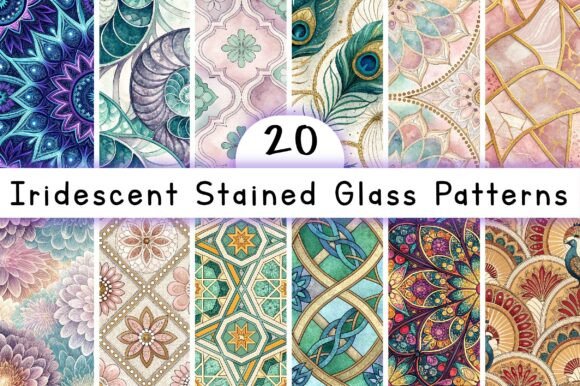
In the realm of digital design and craft materials, finding textures that offer both visual depth and versatility is a common challenge for creators. Iridescent Stained Glass Patterns have emerged as a distinct category of assets that bridge the gap between traditional artistic aesthetics and modern digital utility. These patterns are characterized by their vibrant color palettes—often featuring bright shades of pink, teal, orange, and yellow—and their ability to simulate the light-refracting qualities of actual stained glass without the physical weight or fragility of the medium.
For adults aged 20 to 50 who engage in scrapbooking, home decor design, small business branding, or general paper crafts, understanding the specific attributes of these patterns is essential before integrating them into a workflow. This evaluation explores what makes iridescent stained glass designs unique, how they compare to other texture types, and which projects benefit most from their inclusion.
Defining the Aesthetic: What Makes Iridescent Stained Glass Distinct?
The term "iridescent" refers to the phenomenon where a surface seems to change color as it is moved, reflecting light in a rainbow-like spectrum. In digital pattern design, this effect is achieved through high-resolution rendering that mimics the way light passes through colored glass. The result is a texture that feels dynamic rather than static.
Unlike flat solid colors or simple gradients, Iridescent Stained Glass Patterns offer complex layering. The typical design includes:
- Vibrant Color Blocks: Bold hues such as teal, pink, orange, and yellow create immediate visual interest.
- Simulated Lead Lines: Darker outlines that separate color fields, providing structure and definition.
- Light Refraction Effects: Subtle variations in opacity and brightness that suggest translucency and depth.
This combination creates a texture that is instantly recognizable yet highly adaptable. It evokes the warmth of a sunlit cathedral window while maintaining the crispness required for modern graphic design. For creators looking to add a touch of elegance or whimsy to their work, this style offers a middle ground between ornate Victorian designs and minimalist geometric patterns.
Comparing Iridescent Patterns to Alternative Textures
When selecting background textures or decorative elements, designers often choose between several categories: metallic foils, watercolor washes, geometric solids, and photographic overlays. Understanding where Iridescent Stained Glass Patterns fit within this landscape helps in making informed decisions about resource allocation.
vs. Metallic Foil Patterns
Metallic patterns aim to replicate gold, silver, or copper surfaces. While effective for luxury branding, they can sometimes appear harsh or overly reflective on screens, leading to eye strain or printing issues if not calibrated correctly. In contrast, iridescent stained glass patterns offer a softer, more organic feel. They provide shimmer and movement without the aggressive glare associated with foil effects. If your project requires a sense of warmth and approachability rather than cold luxury, the stained glass aesthetic is often the superior choice.
vs. Watercolor Washes
Watercolor textures are popular for their softness and artistic hand-made quality. However, they often lack the structural definition needed for clear layout hierarchies. Stained glass patterns, with their defined lead lines and distinct color blocks, offer better separation of elements. This makes them easier to use as backgrounds for text or logos, whereas watercolors might compete with foreground content. For projects requiring readability alongside decoration, stained glass patterns provide a more functional foundation.
vs. Geometric Solids
Geometric patterns are clean, modern, and easy to repeat. However, they can sometimes feel rigid or corporate. The organic curves and varied color intensity of iridescent stained glass inject personality and creativity into a design. If the goal is to evoke emotion, nostalgia, or artistic flair, the stained glass style outperforms strict geometric grids. Conversely, for ultra-minimalist tech interfaces, the complexity of stained glass may be excessive.
Technical Specifications and File Formats
A critical aspect of evaluating any digital asset is its technical delivery. High-quality Iridescent Stained Glass Patterns are typically provided in comprehensive bundles to ensure compatibility across various software platforms. A standard professional package often includes:
- JPG Files: Ideal for web use, social media graphics, and quick previews. These files are universally supported but lack transparency.
- PNG Files: Crucial for layered design work in software like Adobe Photoshop or Illustrator. PNGs support transparency, allowing the pattern to blend seamlessly with underlying layers or specific color schemes.
Resolution is another key factor. Professional-grade patterns are usually offered at 4096 x 4096 pixels and 300 DPI (dots per inch). This high resolution ensures that the intricate details of the iridescent effect remain sharp even when printed on large formats, such as banners, wallpapers, or packaging materials. Lower resolution files may pixelate when scaled up, losing the delicate light-refracting details that define the style.
Practical Applications and Use Cases
The versatility of these patterns allows them to be applied across multiple disciplines. Below are specific scenarios where this asset type shines.
Scrapbooking and Paper Crafts
For hobbyists, Iridescent Stained Glass Patterns serve as excellent digital papers. They can be used to create virtual scrapbook pages, printable cards, or invitations. The bright shades of pink, teal, orange, and yellow allow for easy mixing and matching. A designer might pair a deep teal stained glass section with a bright orange accent strip to create a balanced composition. Because the patterns are unique in design, they help individualize projects, moving away from generic clip-art looks.
Small Business Marketing and Packaging
Brands seeking to convey creativity, joy, or artisanal quality often find value in this aesthetic. Imagine a boutique candle company using an iridescent stained glass pattern for their gift box wrapping paper. The pattern suggests a premium, handcrafted product without needing expensive embossing or foil stamping. Similarly, marketing materials like flyers or social media banners can use these patterns to grab attention in crowded feeds. The visual complexity draws the eye, increasing engagement rates compared to plain backgrounds.
Home Decor and Digital Wallpapers
With the rise of digital art prints and smart home displays, stained glass patterns have found a new home in interior design. They can be printed on canvas for wall art, offering a modern twist on traditional stained glass windows. Additionally, they make striking desktop or mobile wallpapers. The high resolution ensures that the colors remain vivid on high-definition screens, adding a pop of color to personal devices.
Limitations and Considerations
While powerful, these patterns are not a one-size-fits-all solution. Creators must consider the following limitations:
- Visual Noise: Due to their complexity, stained glass patterns can become distracting if used as the primary focus. They work best as backgrounds or secondary elements. Overusing them in a single layout can lead to visual clutter.
- Color Compatibility: The specific palette (pink, teal, orange, yellow) is vibrant and warm. Projects requiring cool, muted, or monochromatic themes may find these colors jarring. Careful color coordination is necessary to ensure harmony.
- Digital-Only Nature: As a digital product, these files cannot be physically shipped. Users must be comfortable with downloading, unzipping, and managing digital assets. There is no tactile experience until the file is printed or displayed digitally.
Decision Framework: Is This Right for You?
To determine if Iridescent Stained Glass Patterns are the right choice for your current project, consider these decision factors:
- Do you need vibrancy? If your project feels too dull or lacks energy, these patterns can inject life through their bright shades.
- Is scalability important? If you plan to print the design on larger items like wrapping paper or banners, the 4096x4096 resolution ensures quality.
- Do you require transparency? If you need to overlay the pattern on different colored backgrounds, ensure the package includes PNG files.
- Are you avoiding physical shipping delays? If you need immediate access to assets for a tight deadline, the instant download nature of these files is a significant advantage over physical craft supplies.
Conversely, if you are looking for subtle, low-contrast textures for corporate reports, or if you prefer the tactile experience of cutting physical cardstock, this digital pattern pack may not meet your needs. It is also worth noting that these files are for personal or commercial use in final products, but they generally cannot be resold as standalone digital files. This restriction protects the intellectual property of the designer and ensures that users create original works rather than distributing raw assets.
Conclusion
Iridescent Stained Glass Patterns represent a sophisticated blend of traditional artistry and modern digital convenience. Their unique design, high resolution, and vibrant color options make them a valuable tool for a wide range of creative endeavors. By understanding their strengths in visual impact and versatility, as well as their limitations regarding visual noise and color specificity, creators can effectively integrate them into their workflows. Whether enhancing a small business’s packaging or adding flair to a personal scrapbook, these patterns offer a reliable and aesthetically pleasing solution for those seeking to elevate their visual communication.